Do tinted sunscreens truly provide reliable sun protection? Absolutely — these multitasking products not only shield your skin from harmful UV rays but also offer the added benefit of a natural, even-toned complexion.
In this article, you’ll discover how tinted sunscreens work, why they may be more effective than traditional sunscreens in certain cases, and how to choose the right formula for your skin type and tone.
Read on to uncover the beauty-meets-protection secret behind tinted sunscreens!
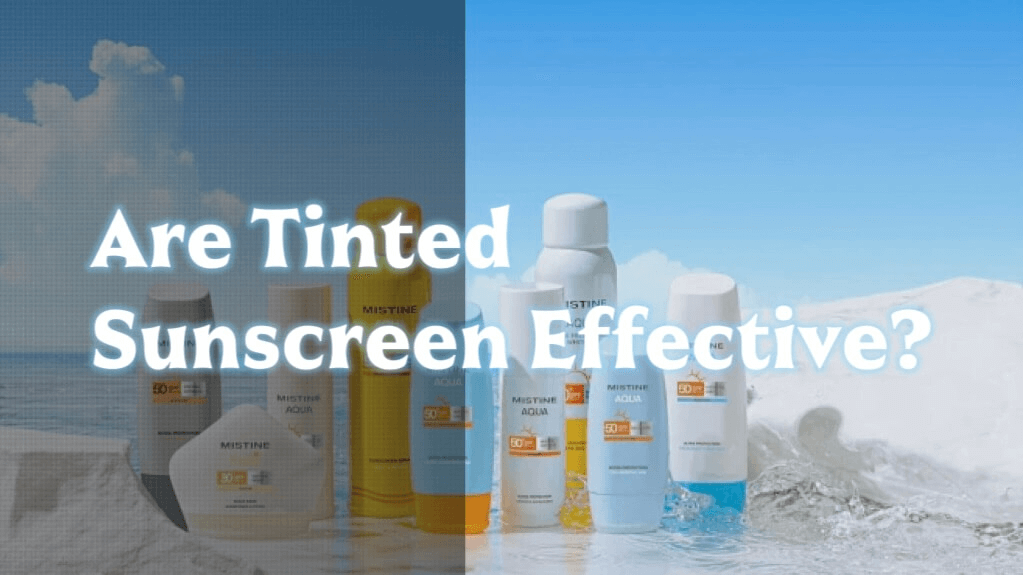
1. Understanding Tinted Sunscreens
Tinted sunscreens are a multifunctional advancement in sun protection, combining the benefits of traditional SPF with a touch of color for a natural, even-toned finish. Unlike standard sunscreens that focus solely on UV defense, tinted formulas also help protect against visible light — including blue light from digital devices — thanks to the iron oxides used to create their tint.
These formulations are ideal for daily wear, offering lightweight coverage that blends seamlessly into the skin while reducing the appearance of redness, discoloration, or uneven tone. Whether you’re heading to work or enjoying a day outdoors, a tinted sunscreen allows you to simplify your routine by merging skincare, sun care, and light makeup into one effortless step.
After all, who doesn’t love a product that both protects and perfects your complexion?
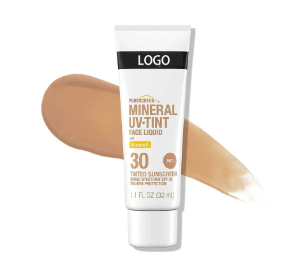
2. Advantages of Using Tinted Sunscreens
Now that we understand what tinted sunscreens are, let’s explore why they’ve become a go-to choice for modern skincare lovers. Beyond offering reliable sun protection, they provide several unique benefits that make them stand out:
Enhanced Protection
Tinted sunscreens not only block harmful UVA and UVB rays but also help shield the skin from visible light and infrared radiation. The inclusion of iron oxides gives them an edge over traditional sunscreens, making them particularly effective for preventing hyperpigmentation — issues that standard sunscreens often can’t fully address.
Natural Coverage and Glow
These formulas offer a sheer, skin-perfecting tint that evens out complexion without feeling heavy. They can replace foundation for a lighter, more breathable finish, helping your skin look healthy and radiant while staying protected.
Daily Wear Convenience
Tinted sunscreens are designed for everyday use, simplifying your morning routine by combining sunscreen, moisturizer, and light makeup in one product. Perfect for busy mornings or minimalist beauty routines, they save time while ensuring you never skip sun protection.
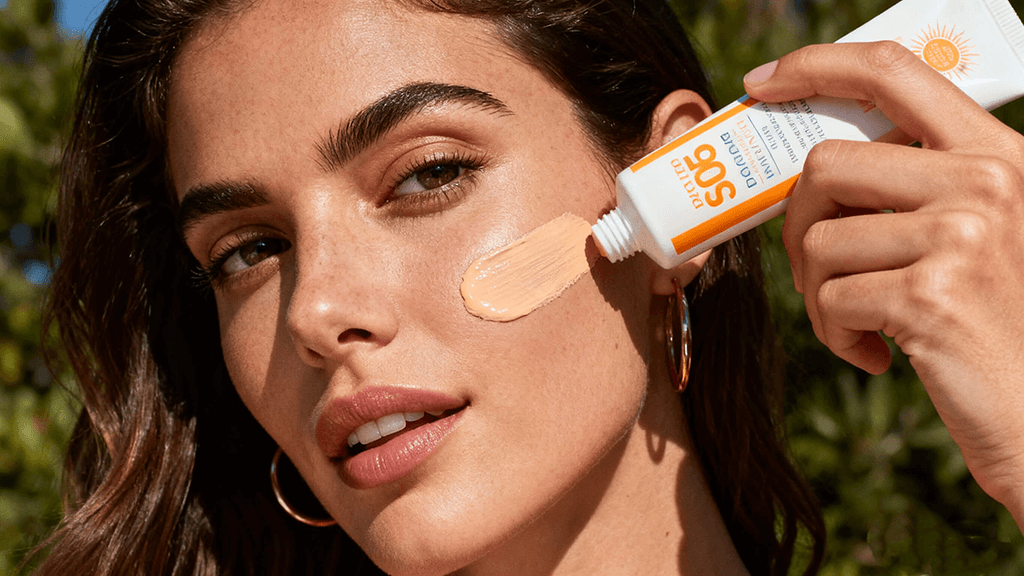
3. Effectiveness of Tinted Sunscreens
After exploring the benefits of tinted sunscreens, let’s take a closer look at how effective they truly are in protecting the skin. Beyond their aesthetic appeal, tinted sunscreens deliver scientifically proven defense with long-lasting and comprehensive protection. Here’s how they perform across key areas:
Broad-Spectrum and Blue Light Protection
Tinted sunscreens go beyond ordinary UV defense. They combine mineral filters like zinc oxide and titanium dioxide with iron oxides, providing true broad-spectrum protection — blocking UVA, UVB, and even visible blue light. This makes them especially effective for preventing pigmentation, melasma, and photoaging caused by daily sun and screen exposure.
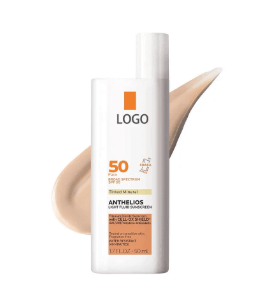
Water and Sweat Resistance (Varies by Formula)
While not all tinted sunscreens are water-resistant, certain formulas — especially those designed for outdoor or sports use — provide lasting protection even during perspiration or light water exposure. For daily wear, lighter formulas focus more on comfort and natural finish, making them perfect for indoor and urban lifestyles.
Long-Lasting Adherence and Coverage
Thanks to their pigment-rich, semi-cream texture, tinted sunscreens adhere smoothly and evenly to the skin, forming a stable protective layer. This reduces uneven fading or patchiness that sometimes occurs with traditional sunscreens, helping maintain consistent protection and a flawless appearance throughout the day.
High SPF and Visible Results
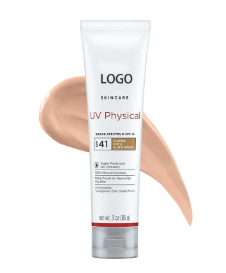
Most tinted sunscreens offer SPF30 to SPF50+ protection, meeting dermatological standards for daily and outdoor defense. Combined with their tinting pigments, they enhance coverage while reflecting and scattering light — resulting in both visible complexion improvement and invisible sun protection.
4. Different SPF Levels in Tinted Sunscreens
Now that we’ve explored how tinted sunscreens work and why they’re so effective, it’s equally important to understand how their SPF levels influence protection and performance. Just like other sun care products, tinted sunscreens come in varying SPF strengths, each suited to different lifestyles and environments.
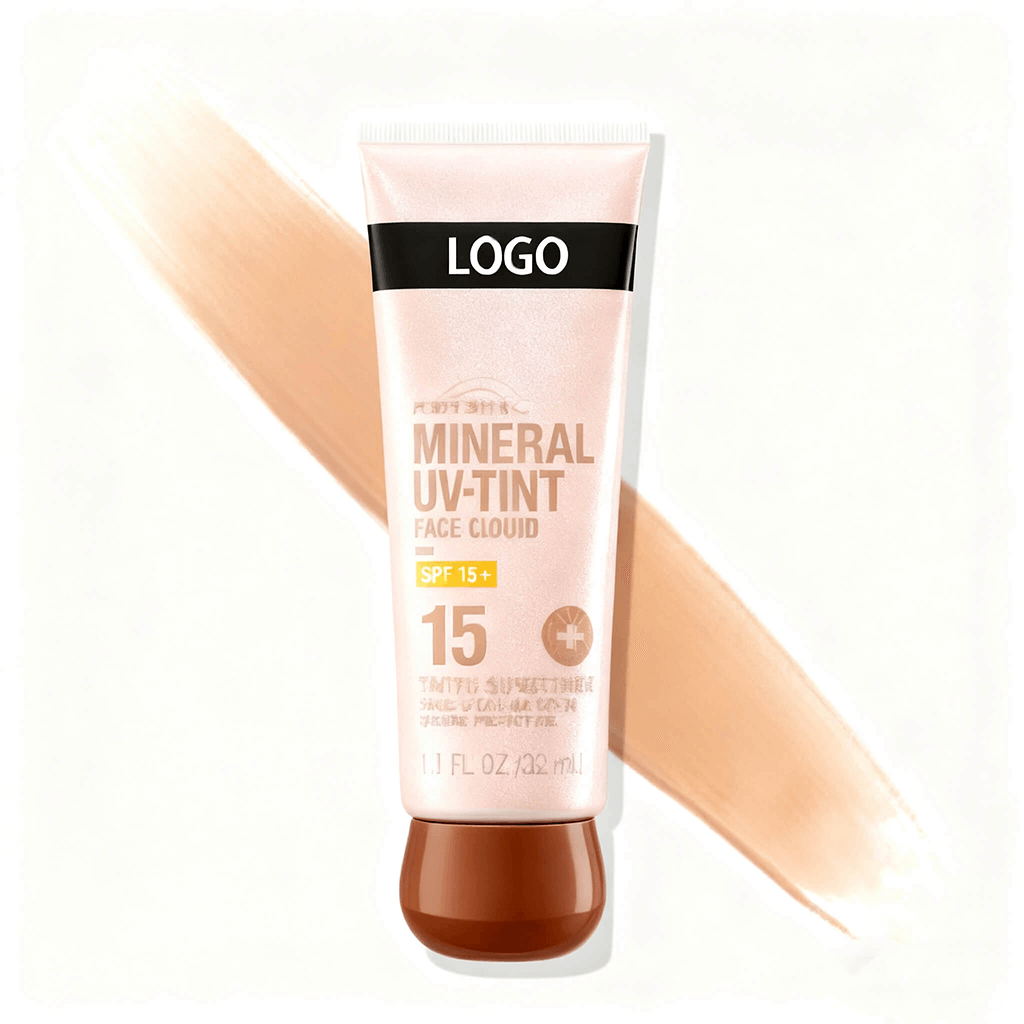
SPF 15–30
Tinted sunscreens with SPF 15–30 are ideal for daily indoor or short-term outdoor exposure, such as commuting or working near windows. They provide protection against around 93% of UVB rays, which is sufficient for regular day-to-day use. The sheer tint helps even out skin tone, making them a great choice for office or home wear where you want light coverage and comfort.
SPF 30–50
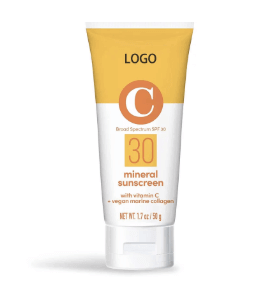
This SPF range is the most common and practical for daily wear. Blocking about 97% of UVB rays, it offers reliable protection for those who spend moderate time outdoors — like walking, shopping, or attending outdoor events. These formulas strike a perfect balance between cosmetic finish and effective protection, keeping the skin safe without feeling greasy or heavy.
SPF 50+
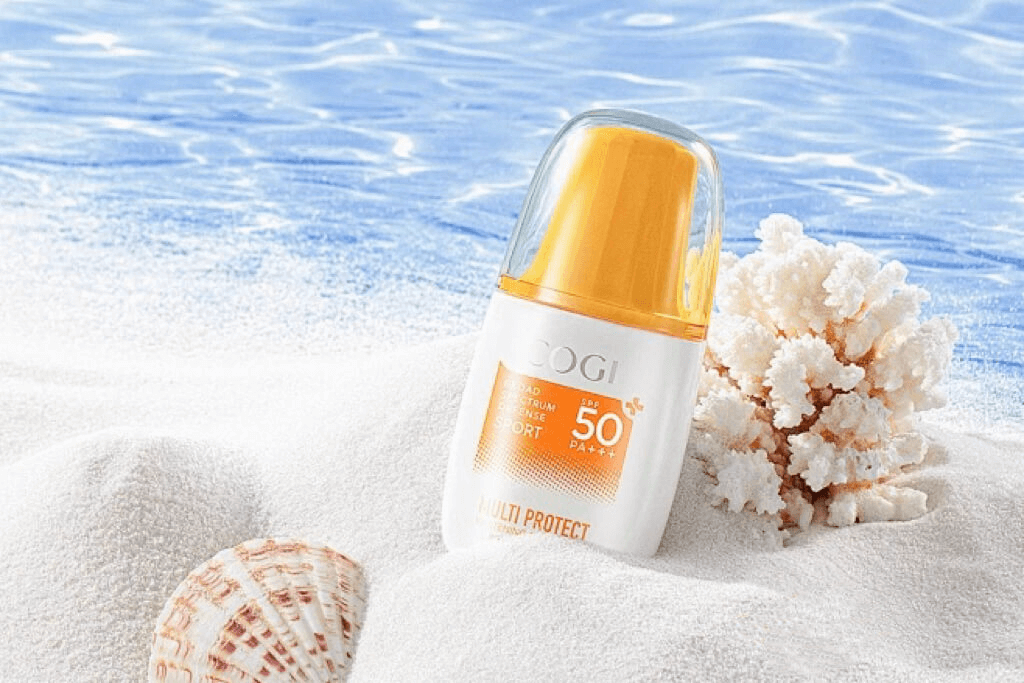
High-SPF tinted sunscreens are designed for intense sun exposure or sensitive skin types prone to hyperpigmentation or melasma. Offering 98% or more UVB protection, they are particularly beneficial for beach vacations, hiking, or high-altitude environments. The tinted coverage also enhances protection by blocking visible light — a key factor for people dealing with post-inflammatory pigmentation or uneven tone.
5. Tinted Sunscreens in Different Forms
Tinted sunscreens come in various formulations such as creams, sprays, and sticks, each offering unique benefits depending on user preferences and lifestyle needs. While all provide tinted coverage and sun protection, their texture, application, and portability differ significantly. The table below highlights how each form performs across several key features:
|
Feature |
Tinted Creams |
Tinted Sprays |
Tinted Sticks |
|
Application Method |
Applied with hands or sponge for even tone and coverage; blends like makeup. |
Quick mist application, convenient but may apply unevenly. |
Direct stick application for targeted use; minimal hand contact. |
|
Texture & Finish |
Creamy and smooth, offers a natural to dewy finish with medium coverage. |
Lightweight and airy, may feel wet initially but dries quickly. |
Solid texture, leaves a matte finish with precise coverage. |
|
Portability |
Can leak or spill in bags; best for home or indoor use. |
Travel-friendly but aerosol cans may not be allowed on planes. |
Highly portable and travel-safe, no leakage risk. |
|
Coverage & Tint Effect |
Provides buildable, even coverage that evens out skin tone and conceals imperfections. |
Offers sheer coverage for a natural look; may need reapplication for uniformity. |
Provides concentrated coverage for small areas like nose, cheeks, or forehead. |
|
Temperature Stability |
May melt or separate in high heat. |
Can lose pressure or evaporate in heat. |
Maintains form even in warm weather, ideal for outdoor use. |
6. Limitations and Challenges of Using Tinted Sunscreens
While tinted sunscreens combine sun protection with complexion-enhancing benefits, they also come with several challenges that users and formulators should be aware of. Understanding these limitations helps ensure realistic expectations and better product selection.
Shade Matching
Tinted sunscreens often come in limited shade ranges, which can make it difficult to find a perfect match for every skin tone. When the shade doesn’t blend well, it may leave a visible cast—either too light or too dark—reducing the natural appearance of the skin.
Application Consistency
Achieving even coverage can be tricky, especially with spray or stick formats. Uneven application may lead to patchy tone or inconsistent sun protection. Using fingers, a sponge, or blending brush can help distribute the tint more uniformly across the skin.
Texture and Finish
Some tinted formulas may feel heavier or oilier than clear sunscreens, especially for individuals with oily or acne-prone skin. On the other hand, matte versions can accentuate dryness or fine lines. Finding the right texture that balances comfort and coverage is key to user satisfaction.
Makeup Compatibility
Tinted sunscreens are often used in place of or under makeup. However, some formulas may pill or separate when layered with foundation or powder. Testing for compatibility and choosing a formula that blends seamlessly into daily routines is essential for a smooth finish.
7. 4 Tips on How to Choose a Tinted Sunscreen Manufacturer
According to dermatological research, tinted sunscreens not only protect the skin from harmful UV rays but also defend against visible light — one of the major causes of hyperpigmentation and melasma. Since the quality of formulation directly determines how effective and aesthetically pleasing the product is, choosing the right manufacturer is essential.
Here are 4 key tips to help you select a reliable tinted sunscreen manufacturer:
1. Expertise in Pigment and Shade Formulation
Select a manufacturer with proven experience in developing tinted skincare products. Shade formulation requires precise pigment dispersion to achieve natural, even tones that complement diverse skin colors. An expert manufacturer can create shades that blend seamlessly without oxidation or patchiness.
2. Advanced UV and Visible Light Protection Testing
Tinted sunscreens should be tested not only for SPF and PA (UVA protection) but also for their ability to block visible light and infrared radiation. Choose a manufacturer that performs comprehensive in-vitro and in-vivo testing to ensure broad and stable protection across multiple light spectrums.
3. Skin Compatibility and Sensory Testing
Look for a partner who conducts extensive skin compatibility and sensory evaluations. A good tinted sunscreen should feel lightweight, non-greasy, and comfortable for all skin types, including sensitive and acne-prone skin. These tests help guarantee that the texture, tone, and coverage meet consumer expectations.
4. Sustainable and Ethical Production
Work with manufacturers that prioritize sustainability — from responsibly sourced mineral pigments (like iron oxides and titanium dioxide) to recyclable packaging. Ethical sourcing and eco-friendly processes not only strengthen brand reputation but also resonate with environmentally conscious consumers.
Dive Deeper Into Our Resources
For some insightful reads, we’ve curated a list of recommended articles just for you:
- Discover the skin Wonders of Vitamin C
- 7 Top Niacinamide Cream OEM/ODM Manufacturers for Private-Label Brands
Still haven’t found what you’re looking for? Don’t hesitate to contact us. We’re available around the clock to assist you.
Conclusion
Are you looking for ways to make your tinted sunscreen stand out in a competitive market? ProCosmeticsOEM specializes in crafting high-quality tinted sunscreens that combine effective protection with consumer safety and a premium user experience. Our facilities follow strict quality control standards and employ innovative production techniques, ensuring every batch meets the highest industry benchmarks.
In conclusion, this article highlights the crucial role of effective tinted sunscreens in shielding the skin from harmful rays, improving skin health, and preventing hyperpigmentation. If you want to elevate your brand with reliable and high-performance tinted sunscreen products, contact ProCosmeticsOEM. Our expertise and commitment to excellence will help you exceed market expectations.