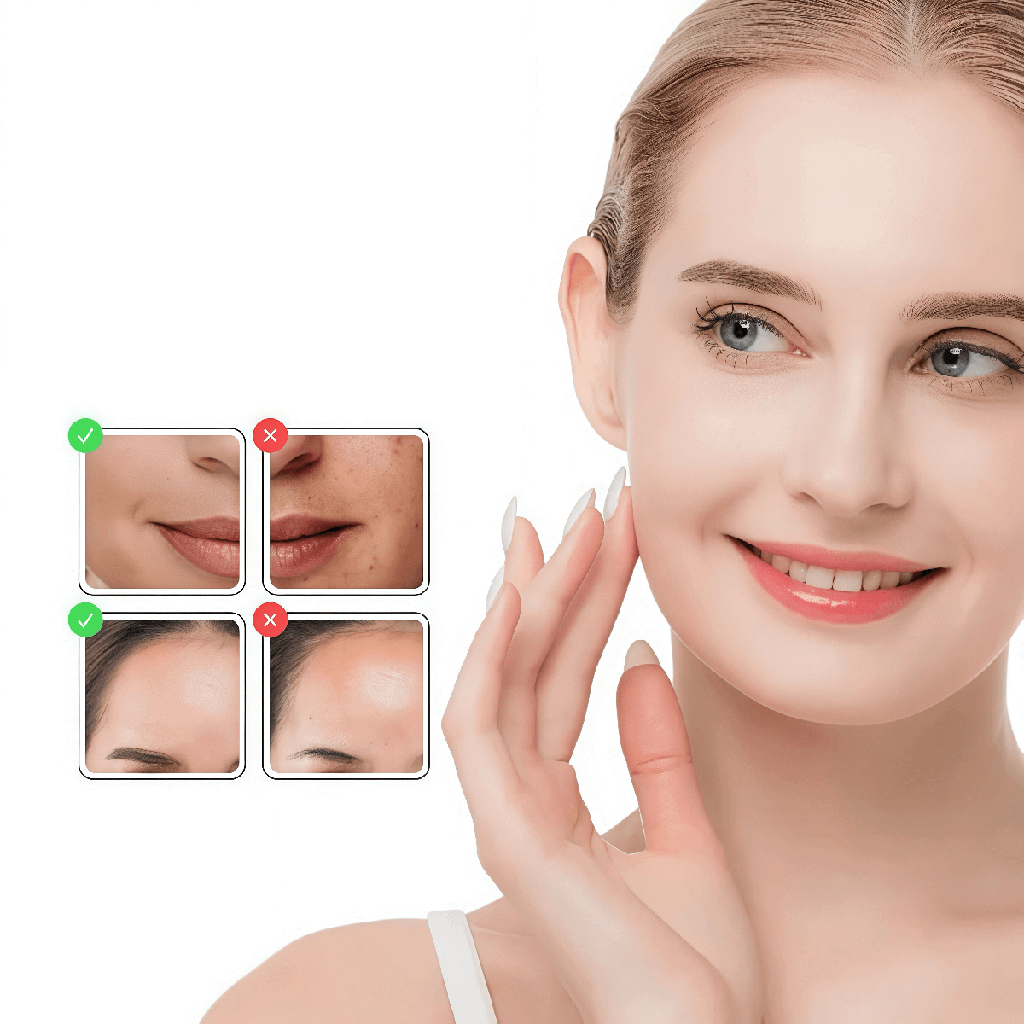
Have you ever wondered how Vitamin C can revolutionize brightening in your skincare routine?
As an experienced professional in cosmetic science, I’m here to help you understand how vitamin C can transform the skin.
Vitamin C isn’t just a trend; it’s a powerhouse for radiance and protection. Its antioxidant properties fight free radicals while boosting collagen for brighter, firmer skin.
In this article, we’ll explore the science behind vitamin C, revealing its abilities to brighten, protect, and revitalize your skin.
Stay tuned to unlock the secrets of vitamin C and elevate your skincare expertise.”
1. The Science of Vitamin C in Skincare
Vitamin C, also known as ascorbic acid, is a water-soluble vitamin renowned for its potent antioxidant properties. Naturally present in various fruits and vegetables, it plays a crucial role in skin health. In skincare, Vitamin C's primary functions include neutralizing free radicals, protecting against UV-induced pigmentation, and stimulating collagen production, essential for maintaining skin firmness and elasticity.
Supporting its efficacy, a systematic review published in Journal of Cosmetic Dermatology in 2023 analyzed seven studies involving 139 participants. The review concluded that topical application of Vitamin C significantly improved skin smoothness, reduced wrinkles, and lightened pigmentation, with enhanced effects when combined with other treatments like laser therapy.
From a professional perspective, integrating Vitamin C into a skincare routine can lead to visibly brighter, firmer, and healthier skin. It works synergistically with other ingredients like hyaluronic acid and niacinamide, enhancing hydration, promoting cell regeneration, and repairing damaged DNA, making it a versatile and indispensable component of modern skincare.
2. Benefits of Vitamin C for Skin
Vitamin C is a powerful skincare ingredient renowned for its antioxidant properties, brightening effects, and role in collagen synthesis. Here are its key benefits:
Antioxidant Protection
Vitamin C is a potent antioxidant that neutralizes free radicals caused by UV exposure, pollution, and other environmental stressors. By protecting skin cells from oxidative damage, it helps slow down premature aging and maintain long-term skin health.
Reduction in Pigmentation
One of the most celebrated benefits of Vitamin C is its ability to reduce hyperpigmentation and dark spots. Regular use can lead to a more even skin tone, diminish sun-induced discoloration, and improve overall skin radiance, making it ideal for those concerned with dullness or sun damage.
Skin Brightening
Vitamin C enhances skin luminosity by inhibiting melanin synthesis and promoting a brighter, more youthful complexion. This brightening effect makes it a popular ingredient in formulations designed to improve skin clarity and glow.
Anti-Aging Effects
Vitamin C supports collagen production, which improves skin elasticity and firmness. Topical application helps reduce the appearance of fine lines and wrinkles, leading to smoother, firmer, and more youthful-looking skin.
Hydration and Skin Health
Vitamin C also contributes to overall skin health by supporting the skin’s natural repair processes. While it is not a humectant like hyaluronic acid, its antioxidant and collagen-boosting properties help maintain a resilient, healthy-looking complexion.
From a professional perspective, incorporating Vitamin C into a skincare routine can lead to brighter, firmer, and healthier skin. Its versatility and scientifically-backed benefits make it an essential component in modern skincare.
3. Types of Vitamin C in Skincare
In skincare, Vitamin C comes in various forms, each with unique benefits, making it essential for customized skincare solutions. Below are the primary types of Vitamin C used in skincare:
L-Ascorbic Acid
L-Ascorbic Acid is the purest and most potent form of Vitamin C, widely recognized for its antioxidant and brightening properties. It effectively reduces pigmentation, enhances collagen production, and protects the skin from oxidative stress. Due to its potency, it requires proper formulation and packaging to maintain stability and maximize efficacy.
Magnesium Ascorbyl Phosphate (MAP)
Magnesium Ascorbyl Phosphate is another stable derivative known for its moisturizing and brightening effects. It stimulates collagen synthesis, reduces the appearance of fine lines and wrinkles, and promotes an even skin tone. Its water-soluble nature makes it ideal for serums and water-based formulations.

4. Vitamin C for Different Skin Types
Vitamin C’s versatility makes it an exceptional ingredient suitable for a wide range of skin types. Its ability to provide antioxidant protection, brighten skin, and support collagen production while catering to specific skin needs sets it apart in modern skincare. Below are the ways Vitamin C benefits different skin types:
Oily/Acne-Prone Skin
For oily or acne-prone skin, Vitamin C is highly effective in reducing post-acne pigmentation and evening out skin tone. Its antioxidant properties help calm inflammation and prevent oxidative damage caused by environmental stressors. By improving skin clarity and reducing dark spots, Vitamin C supports a healthier, more balanced complexion.
Dry/Sensitive Skin
Individuals with dry or sensitive skin benefit from Vitamin C’s brightening and protective effects. It enhances the skin’s natural repair mechanisms and provides gentle antioxidant protection without causing irritation. Regular use can improve overall radiance, reduce dullness, and support healthier, more resilient skin.

Mature Skin
For mature skin, Vitamin C delivers significant anti-aging benefits. It promotes collagen synthesis, which improves elasticity and firmness, and helps diminish fine lines and wrinkles. By protecting against free radicals and supporting skin repair, Vitamin C contributes to a more youthful and revitalized appearance.
Combination Skin
Combination skin, with both oily and dry areas, benefits from Vitamin C’s ability to balance overall skin health. It helps even out pigmentation, brighten dull areas, and protect all zones from environmental damage. Properly formulated Vitamin C products can maintain hydration in drier areas while supporting oilier zones, resulting in a harmonious, radiant complexion.
5. Vitamin C vs. Other Skincare Ingredients
Vitamin C, known for its potent antioxidant and brightening properties, works synergistically with other skincare actives while offering unique benefits. Below are comparisons with other popular skincare ingredients:
Vitamin C vs. Hyaluronic Acid
Both Vitamin C and Hyaluronic Acid contribute to healthier, more radiant skin, but their mechanisms differ. Vitamin C primarily provides antioxidant protection, brightens the complexion, and supports collagen production for firmer skin. Hyaluronic Acid, in contrast, is a hydration powerhouse, capable of holding up to 1000 times its weight in water, providing intense moisture and plumping the skin. Together, they create a well-rounded skincare routine combining brightness, anti-aging, and hydration.

Vitamin C vs. Retinol
Comparing Vitamin C with Retinol highlights their complementary approaches to anti-aging. Vitamin C is gentler, suitable for sensitive skin, and focuses on antioxidant protection, brightening, and collagen support. Retinol offers more potent cell renewal and deep anti-aging effects but may cause irritation for sensitive users. Using them together—Vitamin C in the morning and Retinol at night—can maximize skin health and youthful appearance.
Vitamin C vs. Vitamin B3
Both Vitamin C and Vitamin B3 are celebrated for brightening the skin. Vitamin C excels as an antioxidant and collagen booster, protecting against free radicals and improving skin radiance. Vitamin B3 also brightens but emphasizes barrier repair, hydration, and reducing redness. Using both can provide comprehensive benefits: Vitamin C for protection and radiance, Vitamin B3 for barrier health and soothing.
Vitamin C vs. Salicylic Acid
Vitamin C and Salicylic Acid target different skin concerns. Vitamin C enhances overall skin health, brightness, and collagen support, whereas Salicylic Acid is a beta-hydroxy acid specializing in acne treatment and exfoliation. Vitamin C is ideal for comprehensive skin improvement, while Salicylic Acid serves as a targeted solution for acne-prone and oily skin.
6. Potential Side Effects and Precautions of Vitamin C
Vitamin C is generally safe for most skin types, but it may cause side effects in certain individuals, especially at higher concentrations. Below are the potential side effects and precautions to consider:
Skin Irritation
One of the most common side effects of Vitamin C, particularly in potent formulations, is skin irritation. This can appear as tingling, redness, or a mild burning sensation. These symptoms are usually temporary and often subside as the skin adjusts. Users, especially those with sensitive skin, should start with lower concentrations of Vitamin C and monitor their skin’s response.
Allergic Reactions
Although rare, some individuals may experience allergic reactions to Vitamin C. Symptoms can include rash, swelling, or severe itching. It is recommended to perform a patch test before fully incorporating Vitamin C products into a routine. Discontinue use and consult a healthcare professional if an allergic reaction occurs.
Interactions with Other Ingredients
Vitamin C generally pairs well with many skincare ingredients. However, caution should be taken when combining it with strong actives like Retinol, AHAs, or BHAs, as this may occasionally increase irritation or sensitivity. Consulting a skincare professional or performing a patch test is advisable when introducing Vitamin C into a routine that already includes other potent ingredients.

Sensitivity to Sunlight
Although Vitamin C itself does not typically increase sun sensitivity, some individuals may notice mild sensitivity. It is always recommended to use a broad-spectrum sunscreen daily, particularly when using active skincare ingredients. This protects the skin from UV damage and helps maintain the benefits of Vitamin C.
5 Tips for Choosing the Right Vitamin C Products
When selecting Vitamin C products for your skincare routine, it’s important to consider several key factors. Below are specific tips for choosing the right Vitamin C products:
1. Concentration of Vitamin C
The concentration of Vitamin C in a product is crucial for its effectiveness. For most people, a 10–15% concentration of L-Ascorbic Acid is a good starting point, while 20% or higher may be more effective for targeted concerns like hyperpigmentation or severe sun damage. Starting with a lower concentration allows you to assess your skin’s tolerance and gradually increase strength without causing irritation.
2. Ingredient Synergy
Choosing Vitamin C products formulated with complementary ingredients enhances results. For example, combining Vitamin C with Vitamin E and Ferulic Acid boosts antioxidant protection, while pairing it with hyaluronic acid improves hydration and skin plumpness. Such synergy maximizes the benefits of each ingredient in your skincare routine.
3. Skin Type Suitability
Selecting a formulation suitable for your skin type is essential. Individuals with oily or acne-prone skin should opt for lightweight, non-comedogenic serums, whereas those with dry or sensitive skin may benefit from more hydrating or stabilized Vitamin C formulations. Understanding your skin’s needs ensures optimal effectiveness and comfort.
4. Adherence to ISO Standards
Opting for brands that follow recognized quality standards, such as ISO 22716 for Good Manufacturing Practices in Cosmetics, is important. ISO-certified products are manufactured under stringent safety and quality controls, ensuring higher reliability and effectiveness. Choosing such products can give you confidence in both safety and efficacy.
5. Packaging and Stability
Vitamin C is sensitive to light, air, and heat, so packaging plays a crucial role in maintaining its potency. Look for opaque or airless pump bottles that protect the product from exposure to light and oxygen. Proper packaging ensures the Vitamin C remains stable and effective throughout the product’s lifespan, delivering maximum benefits to your skin.
Conclusion
Vitamin C’s powerful antioxidant properties and skin-brightening effects make it one of the most valuable ingredients in modern skincare. From protecting against free radical damage to improving skin tone and boosting collagen production, Vitamin C continues to be a cornerstone for healthier, more radiant skin.
For those looking to harness the transformative benefits of Vitamin C in their skincare line, ProCosmeticsOEM offers a diverse portfolio of innovative and customizable formulations to suit every skin type and concern.
As specialists in skincare formulation, we pride ourselves on delivering safe, effective, and market-ready solutions. Whether you’re seeking to enhance your current range or develop a unique Vitamin C-based collection, ProCosmeticsOEM is here to bring your vision to life. Contact us today to explore how we can create personalized skincare solutions tailored for your brand.