Introduction
The demand for color-treated hair care is growing rapidly as more consumers embrace hair coloring as part of their personal style. However, one major challenge remains: maintaining vibrant color while repairing damage caused by chemical treatments. Fading, dryness, and breakage are the top concerns for this customers—creating a strong market opportunity for targeted solutions.
If you're planning to build a color protection shampoo brand for damaged hair, success depends on more than just a good formula. You need the right product positioning, effective ingredients, and a clear brand strategy that resonates with modern consumers. In this guide, we’ll walk you through how to create a competitive, high-converting shampoo brand—from concept to market launch.
1. Market Opportunity and Target Customers
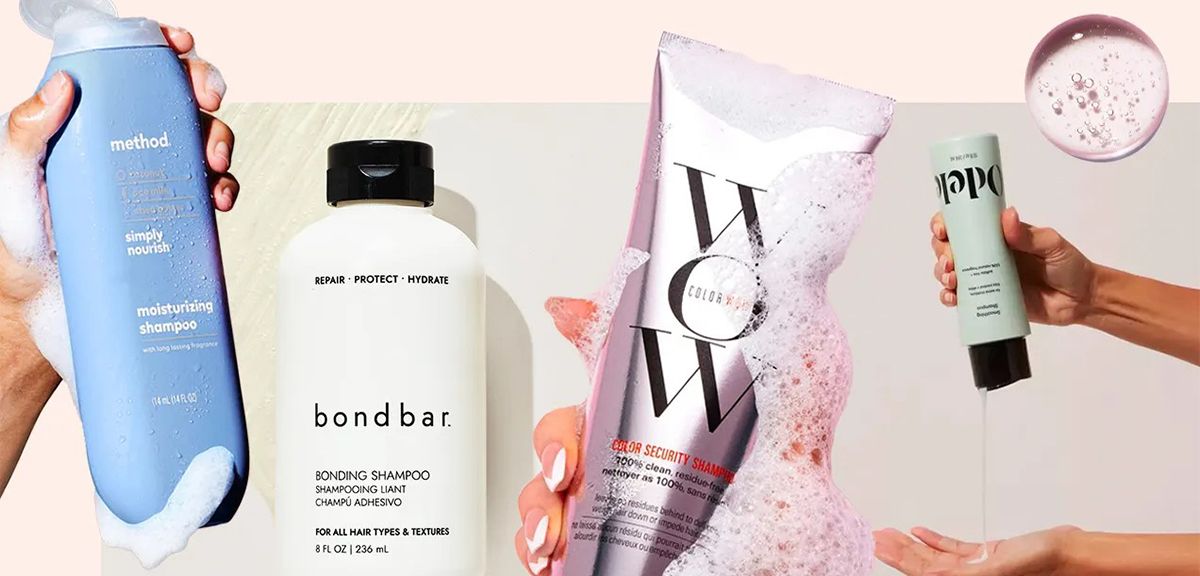
The market for color protection hair care is expanding rapidly, driven by rising demand for sulfate-free, repair-focused, and clean beauty products. Today’s consumers are not only looking to preserve their hair color but also to restore strength, hydration, and shine after chemical treatments. This shift creates a strong opportunity for brands that can deliver both protection and repair in one solution.
Your ideal target audience typically includes women aged 20–45 who frequently color their hair, as well as salon clients seeking professional-grade maintenance products at home. In addition, the growing DIY hair coloring trend has created a new segment of consumers actively searching for effective color-safe shampoos that prevent fading and damage.
To stand out in this competitive market, your brand should clearly define its positioning—whether it’s salon-quality performance, natural and vegan formulas, or premium repair-focused solutions. Understanding your customers and aligning your product with their specific needs is the first step to building a successful and scalable shampoo brand.
2. Product Strategy: Building a Complete Color Protection Line
To attract and retain customers, your product strategy should go beyond a single shampoo and focus on building a complete, results-driven hair care system. While a color protection shampoo is the core product, successful brands often expand into complementary products that enhance overall performance and increase customer lifetime value.
A well-structured product line typically includes a sulfate-free color protection shampoo for gentle cleansing, a nourishing conditioner to improve softness and manageability, and a repairing hair mask for deep treatment. Additional products such as hair oils or serums can further help lock in moisture and protect hair color from fading.
For customers dealing with damaged, color-treated hair, effectiveness is the key decision factor. Products should be formulated with proven ingredients that not only preserve color but also repair and strengthen the hair structure. By offering a complete solution rather than a single product, your brand can stand out in a competitive market while encouraging repeat purchases and stronger brand loyalty.
3. Sulfate-Free Shampoo: Why It Matters
Sulfate-free formulas play a crucial role in color protection shampoos, especially for customers with color-treated and damaged hair. Traditional sulfates, such as SLS and SLES, are strong cleansing agents that can strip natural oils and accelerate color fading.
For customers who want to maintain vibrant hair color, switching to sulfate-free shampoo is one of the most effective solutions. These formulas use milder surfactants that cleanse the hair gently without compromising moisture or color retention.
In addition to preserving color, sulfate-free shampoos are also less irritating to the scalp and help maintain overall hair health. This makes them a preferred choice for modern customers who are increasingly looking for gentle, clean, and high-performance hair care products.
Because of these benefits, sulfate-free positioning has become a key selling point for many successful shampoo brands in today’s market.
4. Best Ingredients for Color-Treated Damaged Hair
Choosing the right ingredients is essential to creating products that truly deliver results for customers with color-treated and damaged hair. Modern customers are increasingly ingredient-conscious, often looking for formulas that are both effective and safe.
One of the most important features of a color protection shampoo is a sulfate-free formula. Sulfates can strip natural oils and accelerate color fading, making gentle cleansing systems a preferred choice. In addition, nourishing oils and protein-based ingredients help restore hair health while maintaining color vibrancy.
Below is a breakdown of key ingredients and their benefits:
| Ingredient | Key Benefit | Function in Formula |
|---|---|---|
| Sulfate-Free Base | Prevents color fading | Gentle cleansing without stripping oils |
| Argan Oil | Deep hydration & shine | Restores moisture and smoothness |
| Coconut Oil | Reduces dryness | Strengthens hair and prevents damage |
| Keratin | Repairs damaged hair structure | Rebuilds and strengthens hair fibers |
| Silk Proteins | Improves softness & elasticity | Enhances manageability and reduces breakage |
| Aloe Vera | Soothes and hydrates scalp | Supports scalp health |
| Green Tea Extract | Antioxidant protection | Protects color from environmental stress |
By combining color-protecting and repairing ingredients in one formula, your products can effectively meet the dual needs of customers—maintaining vibrant color while improving overall hair health. This balanced approach is key to building a high-performing and trusted hair care brand.
5. From Concept to Launch: How to Start Your Shampoo Brand
Building a successful color protection shampoo brand doesn’t have to be complicated—if you follow a clear process.
Here’s how most brands bring their products to market:
1. Define Your Concept
Start by identifying your target customers, key product benefits, and brand positioning. For example, you might focus on sulfate-free formulas, repair-focused solutions, or natural ingredients.
2. Develop and Test Your Formula
Work on creating a formula that delivers real results. Sampling and testing are essential to ensure your product meets expectations for color protection and hair repair.
3. Design Your Packaging
Your packaging should reflect your brand identity and appeal to your target customers, whether you aim for a premium, clean, or salon-style look.
4. Production and Launch
Once everything is finalized, move into production and prepare for launch across your chosen sales channels.
For many brands, working with an experienced manufacturing partner can make this entire process faster and more efficient. From formulation to production, the right partner helps ensure consistent quality while allowing you to focus on growing your business.
If you're planning to launch or expand your product line, having the right support system in place can make all the difference.
6. How to Choose the Right Manufacturer for Your Shampoo Brand
Selecting the right manufacturing partner is one of the most important decisions when building your shampoo brand. The quality of your products, your speed to market, and your long-term success all depend on this choice.
Here are key factors to consider when evaluating potential manufacturers:
1. Experience in Hair Care Products
Choose a manufacturer with proven experience in developing color protection and repair-focused formulations. This ensures they understand the specific needs of customers with color-treated and damaged hair.
2. Customization Capabilities
A strong partner should offer flexible OEM/ODM services, allowing you to customize ingredients, textures, fragrances, and packaging based on your brand positioning.
3. Quality Standards and Certifications
Look for manufacturers that follow international quality standards such as GMP and ISO. This helps ensure product safety, consistency, and compliance with different markets.
4. R&D and Formulation Support
Manufacturers with in-house research and development teams can help you create more competitive and innovative products, rather than offering only basic, generic formulas.
5. Production Capacity and Reliability
Make sure your partner can handle both small and large orders, ensuring stable supply as your brand grows.
6. Communication and Service
Clear communication, fast response times, and professional support are essential for a smooth collaboration process.
By carefully evaluating these factors, you can find a manufacturing partner that not only produces your products but also supports your brand’s growth and long-term success.
7. Frequently Asked Questions (FAQ)
1. Does sulfate-free shampoo really help protect hair color?
Yes. Sulfate-free shampoos use gentler cleansing agents that help prevent stripping natural oils and reduce color fading. This makes them a preferred choice for customers with color-treated hair.
2. What ingredients are best for color-treated and damaged hair?
Ingredients such as argan oil, keratin, silk proteins, and botanical extracts like aloe vera are commonly used to hydrate, repair, and protect hair. These ingredients help maintain color vibrancy while improving overall hair health.
3. How many products should I include in my shampoo line?
While you can start with a single shampoo product, most successful brands offer a complete system, including conditioner and hair masks, to deliver better results and increase customer retention.
4. How long does it take to launch a shampoo brand?
The timeline can vary depending on formulation, packaging, and production, but working with an experienced manufacturer can significantly speed up the process.
5. Can I customize the formula and packaging?
Yes. Most OEM/ODM manufacturers offer customization options, allowing you to tailor ingredients, fragrance, texture, and packaging to match your brand identity.
6. What is the minimum order quantity (MOQ)?
MOQ varies by manufacturer and formulation complexity. It’s important to work with a partner who offers flexible options, especially if you are just starting your brand.
Still have questions about starting your shampoo brand? You can contact us for understanding the right strategy and partner can make the process much easier.
Conclusion
Building a successful color protection shampoo brand for damaged hair requires a clear strategy, the right ingredients, and a deep understanding of customer needs. As the demand for color-safe and repair-focused hair care continues to grow, brands that can deliver both performance and quality are well positioned to stand out in the market.
From defining your product concept and selecting effective ingredients to developing a complete product line and choosing the right manufacturing partner, every step plays a crucial role in your brand’s success. Taking a strategic and informed approach can help you reduce risks, improve efficiency, and create products that truly resonate with customers.
As you move forward, focusing on quality, differentiation, and long-term brand value will be key to building a competitive and sustainable business in the hair care industry.
With the right strategy and support, launching a high-quality shampoo brand can be more achievable than you think.