Hair removal cream is a hot seller in summer and on hot days. Using an OEM/ODM private label approach can help you tap into this seasonal demand and grow your business fast. This guide breaks down how to scale your business with OEM/ODM hair removal cream, covering market trends, common ingredients, choosing the right manufacturer, and more.
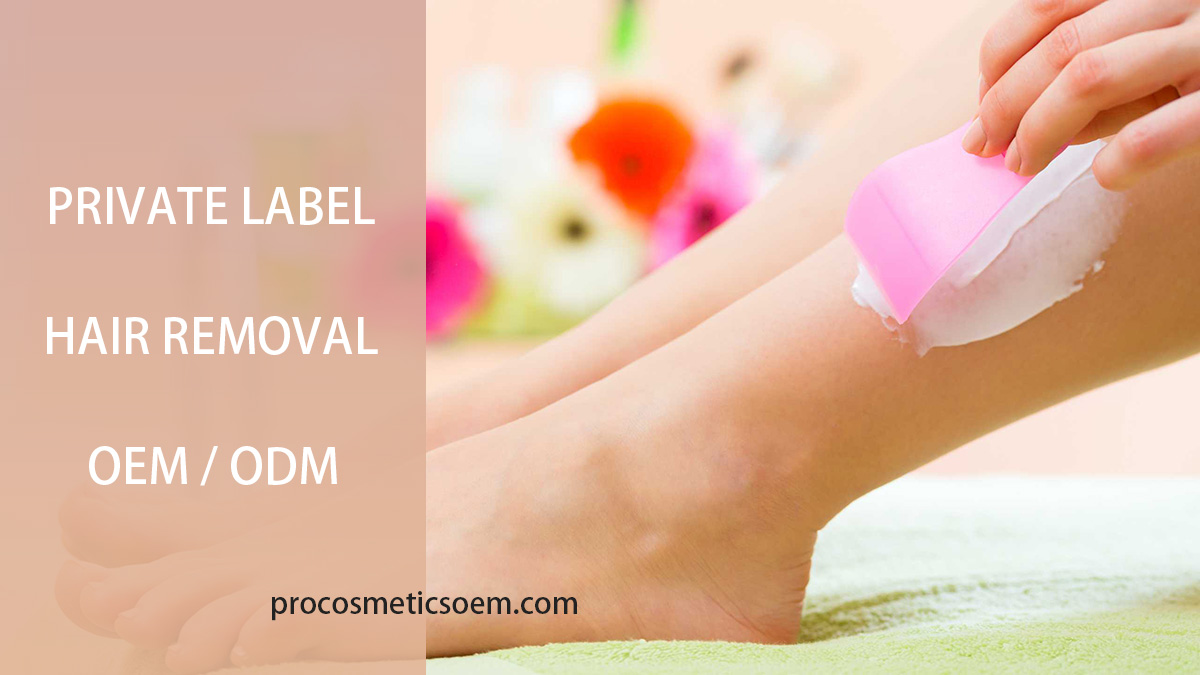
1. Understanding OEM/ODM in the Hair Removal Cream Market
OEM and ODM are key strategies for launching a private label product.
They let you focus on your brand while experts handle product development and manufacturing.
OEM (Original Equipment Manufacturer):
- You provide a formula or product specifications.
- The manufacturer produces the product based on your guidelines.
ODM (Original Design Manufacturer):
- The manufacturer designs and produces the product.
- You get a ready-made product that you can brand as your own.
Private Label:
- Your brand is on the product even though it’s made by someone else.
- You control marketing, packaging, and sales.
Using OEM/ODM for hair removal cream means you can:
- Quickly launch products without investing in R&D.
- Leverage existing manufacturing expertise.
- Focus on branding and marketing while reducing risks.
2. Market Analysis and Opportunity
The market for hair removal cream is booming, especially in warm weather.
Seasonal Demand:
- Sales peak in summer and on hot days.
- Consumers look for effective, easy-to-use solutions to manage unwanted hair.
Opportunities:
- Growing Skincare Trends: Consumers are more aware of skincare routines.
- Customization: Private label allows you to tailor products to local tastes.
- Competitive Advantage: Quality ingredients and effective formulas stand out in the market.
Key Points:
- OEM/ODM hair removal cream manufacturer partnerships help you meet demand without huge upfront investments.
- Market research shows that seasonal promotions and targeted advertising boost sales significantly.
- Entering this market with a unique formula or packaging can capture a loyal customer base.
3. Common Ingredients in Hair Removal Cream
Knowing what goes into your hair removal cream is essential.
Using high-quality, safe ingredients ensures customer satisfaction and regulatory compliance.
Typical Ingredients:
Active Agents:
- Calcium Thioglycolate / Potassium Thioglycolate
- Break down hair keratin for effective hair removal.
- Enzymatic Components
- Help in gently dissolving hair.
- Calcium Thioglycolate / Potassium Thioglycolate
Soothing Ingredients:
- Aloe Vera
- Calms irritated skin after application.
- Chamomile Extract
- Reduces inflammation and soothes sensitive skin.
- Aloe Vera
Moisturizers:
- Glycerin
- Keeps the skin hydrated.
- Vitamin E
- Acts as an antioxidant and supports skin health.
- Glycerin
Additional Elements:
- Natural Extracts (e.g., cucumber, green tea)
- Provide extra nourishment and protection.
- Preservatives and Fragrances
- Ensure product stability and enhance the user experience.
- Natural Extracts (e.g., cucumber, green tea)
Important Note:
Always verify ingredient safety and comply with local regulations.
Highlighting quality ingredients in your product description can improve customer trust.
4. Benefits of OEM/ODM for Private Label Hair Removal Cream
Partnering with an OEM/ODM manufacturer offers several advantages for scaling your business.
Major Benefits Include:
Cost Efficiency:
- Reduced research and development costs.
- Lower production costs through economies of scale.
Customization & Flexibility:
- Tailor formulas to suit target markets.
- Easily adjust packaging and branding.
Faster Time-to-Market:
- Launch products quickly during peak seasons.
- Leverage the manufacturer’s existing technology and expertise.
Focus on Core Business:
- Let manufacturers handle production and quality control.
- Concentrate on marketing, sales, and customer service.
Risk Mitigation:
- Lower initial investment reduces financial risk.
- Access to proven formulas and processes minimizes product development risks.
Quick List of OEM/ODM Benefits:
- Lower Costs – Save money on R&D and production.
- Speed – Get products to market faster.
- Flexibility – Customize products to match consumer trends.
- Expertise – Rely on manufacturer know-how.
- Focus – Spend more time on growing your brand.
5. Choosing the Right Manufacturer
Picking the right manufacturing partner is crucial for quality and business growth.
A solid manufacturer ensures product consistency, regulatory compliance, and timely delivery.
Steps to Choose a Manufacturer:
Research:
- Look for manufacturers with experience in OEM/ODM hair removal cream.
- Use industry directories and trade shows to find potential partners.
Check Certifications:
- Verify that the manufacturer meets industry standards (e.g., ISO certifications).
- Confirm they follow Good Manufacturing Practices (GMP).
Quality Control:
- Ask about their quality assurance processes.
- Request samples to test product quality.
Production Capacity:
- Ensure they can scale production as your business grows.
- Check if they have a flexible production schedule.
Communication & Support:
- Assess their responsiveness and willingness to customize.
- Look for manufacturers that offer clear documentation and after-sales support.
Cost & Lead Time:
- Compare pricing but consider overall value.
- Understand their lead times and order minimums.
Key Point:
A reliable private label hair removal cream manufacturer will support your growth and help maintain product quality as demand increases.
6. Step-by-Step Guide to Scaling Your Business
Scaling your business with OEM/ODM private label hair removal cream is a structured process.
Follow these steps to maximize growth and efficiency.
Step 1: Market Research and Planning
- Identify target markets and seasonal trends.
- Use tools like Google Trends and industry reports to understand demand.
- Define your unique selling proposition (USP).
Step 2: Develop Your Product
- Work with your manufacturer to choose the right formula.
- Ensure ingredients meet safety and regulatory standards.
- Request samples and adjust the formulation if needed.
Step 3: Branding and Packaging
- Design a logo and packaging that reflect your brand identity.
- Ensure the packaging appeals to your target audience.
- Use high-quality images and clear messaging to highlight benefits.
Step 4: Regulatory Compliance
- Check local regulations for cosmetic products.
- Ensure your product packaging includes all necessary labels and warnings.
- Maintain documentation for audits and certifications.
Step 5: Production and Quality Control
- Place initial orders with your chosen OEM/ODM hair removal cream manufacturer.
- Monitor production closely and perform regular quality checks.
- Establish a feedback loop with the manufacturer for continuous improvement.
Step 6: Marketing and Sales
- Launch your product with a focus on seasonal trends.
- Use social media and digital channels to promote your product (see Section 8).
- Track customer feedback and sales data to refine your strategy.
Step 7: Scale Up
- Increase production gradually as demand grows.
- Expand your product line based on customer needs.
- Leverage successful marketing campaigns to enter new markets.
Step-by-Step Summary:
- Plan & Research – Understand your market and define your goals.
- Develop & Test – Work on product formulation and gather feedback.
- Brand & Package – Create appealing branding and packaging.
- Comply & Produce – Ensure regulatory compliance and quality.
- Market & Scale – Launch, monitor, and grow your business.
7. Common Problems and How to Solve Them
Every business faces challenges.
Here are some common issues in scaling an OEM/ODM private label hair removal cream business and tips to tackle them.
Common Problems:
Supply Chain Disruptions:
- Unexpected delays or shortages can affect production.
Quality Inconsistencies:
- Variations in product quality can harm your brand’s reputation.
Regulatory Hurdles:
- Changing regulations may impact ingredient approval or packaging requirements.
Market Saturation:
- High competition may make it hard to stand out.
Solutions:
Develop Backup Plans:
- Maintain relationships with multiple suppliers.
- Keep a buffer stock for high-demand seasons.
Implement Stringent Quality Checks:
- Regularly test batches and provide feedback to manufacturers.
- Use third-party quality audits if needed.
Stay Updated on Regulations:
- Subscribe to industry newsletters and regulatory updates.
- Work with legal experts to ensure compliance.
Differentiate Your Brand:
- Focus on unique ingredients, superior packaging, or specialized formulations.
- Use customer feedback to continuously improve your product.
Highlight:
Addressing these issues head-on improves your resilience and positions you as a trustworthy private label hair removal cream supplier.
8. Social Media Marketing Strategies
Social media is a powerful tool for promoting your hair removal cream, especially during summer.
Here’s how to use social media marketing effectively:
Plan Your Campaigns:
Seasonal Themes:
- Create campaigns around summer and hot days.
- Use bright visuals and catchy slogans that highlight the product’s benefits in warm weather.
Influencer Partnerships:
- Collaborate with beauty and skincare influencers.
- Choose influencers whose audience aligns with your target market.
Content Strategies:
Short Videos and Tutorials:
- Highlight quick results and ease of use in short clips.
Customer Testimonials:
- Share real reviews and before-and-after photos.
- Use hashtags that incorporate keywords like effective hair removal cream.
Interactive Posts:
- Run contests or giveaways during peak summer months.
- Encourage user-generated content to boost engagement.
Advertising Tips:
Targeted Ads:
- Use platforms like Facebook and Instagram to run targeted ads.
- Focus on demographics interested in skincare and summer beauty routines.
Regular Updates:
- Post consistently with updates on product benefits and promotions.
- Use bullet points or short lists in captions to highlight key features.
FAQs
Q1: What is the difference between OEM and ODM?
- A: OEM means you provide the product specs; ODM means the manufacturer designs the product for you. Both let you brand the final product as your own.
Q2: What are common ingredients in hair removal cream?
- A: Typical ingredients include active agents like calcium thioglycolate, soothing extracts like aloe vera, moisturizers such as glycerin, and various natural extracts.
Q3: How do I choose a good private label hair removal cream manufacturer?
- A: Research, check certifications, request samples, evaluate quality control, and compare costs and lead times.
Q4: What social media strategies work best for this product?
- A: Use seasonal campaigns, short video tutorials, influencer partnerships, and targeted ads focused on summer and hot days.
Q5: How can I address quality issues during production?
- A: Regular quality checks, clear communication with your manufacturer, and third-party audits can help maintain product consistency.
Conclusion
By understanding OEM/ODM basics, analyzing the market, using quality ingredients, and choosing the right manufacturer, you set a solid foundation.
A clear step-by-step approach and smart social media strategies further enhance your ability to capture summer sales.
Tackle common challenges to keep your business running smoothly and build a strong brand in the competitive skincare market.